Bipolar Disorder
Treatment for bipolar I, bipolar II, and cyclothymia — diagnostic clarity, mood stabilization, and ongoing care.
Bipolar disorder is among the most misdiagnosed conditions in psychiatry, and the misdiagnosis usually goes in one specific direction: people with bipolar II spend an average of several years being treated for “depression” that isn’t responding the way depression should, because the hypomanic episodes never came up in clinic — either because they felt good and so didn’t count as a problem, or because the patient didn’t know the difference between “productive” and “hypomanic.”
Getting the diagnosis right is the single most important thing we can do for someone with bipolar disorder. The treatment is different from treatment for unipolar depression. Antidepressants alone — which is what most mistakenly-diagnosed people end up on — can make bipolar worse.
The three main forms
- Bipolar I. At least one full manic episode in the lifetime. Mania is a distinct change: decreased need for sleep without feeling tired, racing thoughts, rapid speech, inflated self-confidence, impulsive decisions (spending, sex, risky behavior), and often psychotic features in severe episodes. Hospitalization is sometimes necessary. Depressive episodes usually also occur.
- Bipolar II. At least one hypomanic episode (a milder, shorter version of mania — usually 4+ days, not functionally catastrophic) and at least one major depressive episode. The depression tends to dominate the course and is what brings people in. The hypomanias often feel good. This is the form most often missed.
- Cyclothymia. Chronic mood fluctuation between mild depressive and mild hypomanic states, lasting at least two years, without ever reaching full criteria for either extreme.
There is also a category for mood patterns that don’t fit neatly into these boxes — real, treatable, and common.
What we ask about in an evaluation
A careful bipolar workup is not a 20-minute visit. We’re looking for:
- Distinct episodes, not a baseline mood state. Bipolar is about change over time.
- Hypomanic or manic episodes, which patients often don’t volunteer because they don’t seem like problems. Questions like “have there been times you needed a lot less sleep and still felt great?” get better answers than “have you had mania?”
- Family history. Bipolar is heritable. A parent or sibling with bipolar I makes the diagnosis more likely.
- Treatment history. Antidepressants that caused agitation, irritability, or mania. Periods of unusually fast speech or decision-making that felt great at the time and bad in retrospect.
- Rule-outs. Substance use, thyroid problems, sleep disorders, and ADHD can all produce symptoms that look bipolar-ish.
How treatment works
Bipolar is a lifelong condition in the same sense that diabetes or hypertension are — manageable, not curable. The goal of treatment is mood stability and prevention of future episodes, not just getting through the current one.
Medication is the core of bipolar treatment, and there are several classes of medications with good evidence for different parts of the picture. Which one is right depends on your particular pattern (more manic or more depressive), what you’ve tried before, any medical conditions in the mix, and what side effects you’ll tolerate. Most people try more than one before finding the right fit. Your clinician walks you through the options and how they differ.
Therapy alongside medication is valuable. The approaches with the most evidence for bipolar focus on stabilizing daily rhythms (sleep, meals, routines — all of which are major drivers of mood stability), recognizing early warning signs of both mood states, and building a crisis plan for future episodes. When family or a partner can be part of treatment, outcomes improve.
Sleep and lifestyle are not optional in bipolar. Consistent sleep, consistent routine, avoiding alcohol and recreational substances, and limiting caffeine are load-bearing parts of care. A night of poor sleep can genuinely precipitate a manic episode, and protecting sleep becomes a treatment goal in itself.
What to watch for
Part of treatment is learning your own early warning signs — the subtle 3-day shifts that precede bigger episodes. These are specific to each person. Some people’s early warnings: sleeping 5 hours and feeling fine, talking faster than usual, starting new projects impulsively, a creative burst, irritation at minor things. Noticing them early enough to adjust gives you a chance to head off full episodes.
We build that list with you.
When to come in
- If you’ve been treated for depression and it hasn’t responded the way it should, or if antidepressants have made things worse
- If you have periods of distinct, time-bound elevated mood along with your low periods
- If bipolar runs in your family and you’re concerned about your own pattern
- If you already have a diagnosis and your current regimen isn’t holding — come in for a review
Come in now if:
- You’re in a manic or hypomanic episode and can’t sleep, or are making decisions you’re worried about
- You’re having thoughts of suicide or self-harm
For immediate crisis support, the footer of this page has 988 and Colorado Crisis Services.
For non-emergency care, book an appointment or call 720-443-1691.
Ready to get started?
Most new patients are seen within a week. Book online or give us a call — we'll help you find the right clinician.
Our team
Any of our clinicians can help you get started. Book with whoever's available, or tell us what you're looking for and we'll match you.
Cathleen Barrett
MSN, PMHNP-BC
I am accepting new clients for medication management services. I am double board certified as a Psychiatric Mental Health Nurse Practitioner (PMHNP) ...
Christine Taylor
LPC
Feeling stuck? Anxious? Depressed? Struggling in your relationships or navigating a divorce? Are you feeling frustrated with your life and unsure of ...

David Geldert
MSN, PMHNP-BC
I am a board-certified psychiatric nurse practitioner with 10 years of experience in healthcare. I'm passionate about working with clients of all age ...

Jenna Kakish
LPCC
I approach therapy through a relationship-centered lens. Our early experiences, especially within family systems or the absence of them, often shape ...
Jodi Barry
MSN, PMHNP-BC
Accepting new clients with immediate availability for medication management! Medicaid and private insurance both accepted. Jodi is a board-certified ...

Katie Farley
MSN, PMHNP-BC
Hello! My name is Katie Farley and I am a board-certified Psychiatric Mental Health Nurse Practitioner (PMHNP) with over 14 years of nursing experie ...

Kelly Bergstedt
MSN, PMHNP-BC
I am a board-certified Psychiatric Mental Health Nurse Practitioner who provides individualized and evidence-based care to people with a wide variety ...
Kimbrelee Ray
MSN, PMHNP-BC
I am accepting new clients for medication management. I am a double board-certified Psychiatric Mental Health Nurse Practitioner (PMHNP-BC and CARN-A ...

Lars Olson
Psychologist, LCP
I am a licensed clinical psychologist and a licensed school psychologist. My approach to therapy is adaptable and largely dependent on the client's n ...

Lindsey Dempster
MSN, PMHNP, APRN
Accepting new clients for medication management! I am a board-certified Psychiatric Mental Health Nurse Practitioner who graduated Summa Cum Laude in ...
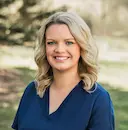
Pascha Orr
MSN, PMHNP-BC
Accepting new patients with immediate availability for medication management! My ideal clients are children, adolescents, and adults facing challenge ...
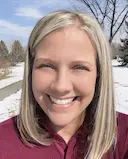
Rebecca Robitaille
DNP, MSN, PMHNP-BC
Rebecca Robitaille is a Board-Certified Psychiatric Mental Health Nurse Practitioner, currently welcoming new clients seeking medication management. ...
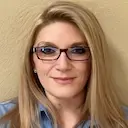
Sarah Paryga
MSN, PMHNP-BC
Hello! My name is Sarah Paryga (par-E-gah). I am a board-certified psychiatric mental health nurse practitioner. I have been working in mental health ...

Terry O'Connor
LPC
The great psychiatrist and writer Irvin Yalom said of psychotherapy that "It's the relationship that heals." I have forged healing therapeutic relati ...
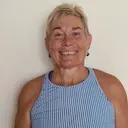
Theresa Gilliland
FNP-BC, PMHNP-BC, DNP, MHA, BSN
I, Dr. Theresa Gilliland, am a dual certified Psychiatric Mental Health Nurse Practitioner and a Family Nurse Practitioner. I am licensed in Californ ...
Che Williams
LPC
Hey, I’m Ché. I’m a therapist at Trend Mental Health. I recently moved from Florida to Colorado and am fully licensed in both states. My goal is to h ...
Not bookable online — contact us to schedule

Narlin Smith
MSN, FNP-C, PMHNP-BC
Narlin (pronounced Narleen) is a dual licensed, board certified FNP and PMHNP. She graduated from South University as a Family Nurse Practitioner and ...
Not bookable online — contact us to schedule

Valerie Judd
LPC
A warm hello! I'm Val, a therapist at Trend Mental Health & Wellness. I graduated with a BA in Psychology from the University of Colorado Denver and ...
Not bookable online — contact us to schedule