PTSD (Post Traumatic Stress Disorder)
Treatment for PTSD and trauma-related symptoms. EMDR, prolonged exposure, CPT, and medication — at your pace.
PTSD is what happens when a traumatic experience does not get filed away correctly. The memory stays live. The body keeps responding to things in the present as if the original event were still happening. The thoughts, feelings, and physical sensations that made sense then keep reappearing now, often at what feels like random times, and often without the person being able to connect the reaction to its source.
It is a real clinical condition, not a weakness, and it is treatable. You don’t need to have been in combat. You don’t need to have a dramatic story. What counts is how the event imprinted — not how bad it sounds on paper.
What it looks like
PTSD shows up across four clusters of symptoms. Not everyone has all of them, and the mix varies:
- Intrusion. Flashbacks, nightmares, intrusive memories, strong physical reactions to reminders. The memory feels present, not past.
- Avoidance. Staying away from the people, places, conversations, and internal sensations that bring the memory up. This narrows life over time.
- Shifts in thought and mood. Feeling numb, cut off from people, unable to feel positive things. Negative beliefs about yourself (“I’m broken”), about other people (“no one is safe”), about the world.
- Hyperarousal. Being always on watch. Startling easily. Sleeping badly. Being irritable in a way that feels outside your control.
Some people have all of these loudly. Others have a version where the numbness and the withdrawal are the dominant symptoms and they don’t look anxious to anyone looking at them from the outside.
Causes are broader than people think
PTSD can develop after combat, sexual or physical assault, serious accidents, medical trauma, domestic violence, sudden bereavement, and more. It can also develop from events that don’t register as “trauma” in popular language: a long-running medical crisis with a child, a near-miss car accident that keeps replaying, witnessing something as a first responder, or a chronic environment (childhood or adult) of unpredictability and fear.
Complex PTSD is what clinicians often call the version that comes from prolonged or repeated trauma, especially early in life. The intrusion symptoms may be quieter; the difficulty with self-worth, relationships, and emotional regulation tends to be louder. It’s worth naming because the treatment pace is different.
How we work
The core principle of trauma care is that you set the pace. Treatment that moves faster than a person can tolerate does more harm than good. We plan the arc together, and we do not push exposures or trauma processing you haven’t agreed to.
Several trauma-focused therapies have strong evidence behind them. They differ in how they work, in how much verbal processing of the trauma is required, and in what they ask of the person. The right one depends on your situation — the nature of the trauma, what you’ve tried before, your own preferences about how you want to approach the work. Our clinicians will walk you through the options and we’ll decide together. Among the approaches available in our practice: EMDR, Cognitive Processing Therapy (CPT), and Prolonged Exposure (PE).
Medication can be a useful part of a trauma treatment plan. It rarely resolves PTSD on its own, but it can reduce the intensity of intrusion and hyperarousal symptoms enough to make therapy tolerable. Specific options — and what to expect from them — are part of the conversation with your clinician. If nightmares are a significant part of the picture, it’s worth raising early; there’s a specific medication approach for that.
What we do not do
- Require you to tell the story in the first session, or the tenth
- Use therapies you haven’t agreed to
- Treat everyone as if they have the same kind of PTSD
When to come in
If an event is still affecting you a month or more afterward — if you are still having nightmares or flashbacks, if you are still avoiding, if you are still jumpy or emotionally flat — it is worth an evaluation. Acute distress in the first few weeks after a trauma is not PTSD; it’s a normal response that often resolves on its own. Persistent distress past that window is the threshold where treatment tends to help.
If you have been living with this for years and have never had treatment, or have had treatment that didn’t work — come in. Older trauma responds to treatment the same way newer trauma does.
Book an appointment or call 720-443-1691. For immediate crisis support, the footer of this page has 988 and Colorado Crisis Services.
Ready to get started?
Most new patients are seen within a week. Book online or give us a call — we'll help you find the right clinician.
Our team
Any of our clinicians can help you get started. Book with whoever's available, or tell us what you're looking for and we'll match you.
Cathleen Barrett
MSN, PMHNP-BC
I am accepting new clients for medication management services. I am double board certified as a Psychiatric Mental Health Nurse Practitioner (PMHNP) ...
Christine Taylor
LPC
Feeling stuck? Anxious? Depressed? Struggling in your relationships or navigating a divorce? Are you feeling frustrated with your life and unsure of ...
David Geldert
MSN, PMHNP-BC
I am a board-certified psychiatric nurse practitioner with 10 years of experience in healthcare. I'm passionate about working with clients of all age ...

Jenna Kakish
LPCC
I approach therapy through a relationship-centered lens. Our early experiences, especially within family systems or the absence of them, often shape ...
Jodi Barry
MSN, PMHNP-BC
Accepting new clients with immediate availability for medication management! Medicaid and private insurance both accepted. Jodi is a board-certified ...

Katie Farley
MSN, PMHNP-BC
Hello! My name is Katie Farley and I am a board-certified Psychiatric Mental Health Nurse Practitioner (PMHNP) with over 14 years of nursing experie ...
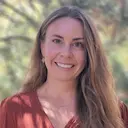
Kelly Bergstedt
MSN, PMHNP-BC
I am a board-certified Psychiatric Mental Health Nurse Practitioner who provides individualized and evidence-based care to people with a wide variety ...
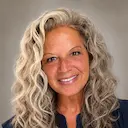
Kimbrelee Ray
MSN, PMHNP-BC
I am accepting new clients for medication management. I am a double board-certified Psychiatric Mental Health Nurse Practitioner (PMHNP-BC and CARN-A ...
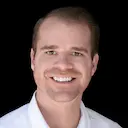
Lars Olson
Psychologist, LCP
I am a licensed clinical psychologist and a licensed school psychologist. My approach to therapy is adaptable and largely dependent on the client's n ...

Lindsey Dempster
MSN, PMHNP, APRN
Accepting new clients for medication management! I am a board-certified Psychiatric Mental Health Nurse Practitioner who graduated Summa Cum Laude in ...
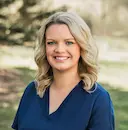
Pascha Orr
MSN, PMHNP-BC
Accepting new patients with immediate availability for medication management! My ideal clients are children, adolescents, and adults facing challenge ...
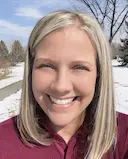
Rebecca Robitaille
DNP, MSN, PMHNP-BC
Rebecca Robitaille is a Board-Certified Psychiatric Mental Health Nurse Practitioner, currently welcoming new clients seeking medication management. ...
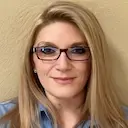
Sarah Paryga
MSN, PMHNP-BC
Hello! My name is Sarah Paryga (par-E-gah). I am a board-certified psychiatric mental health nurse practitioner. I have been working in mental health ...

Terry O'Connor
LPC
The great psychiatrist and writer Irvin Yalom said of psychotherapy that "It's the relationship that heals." I have forged healing therapeutic relati ...
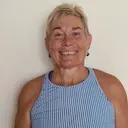
Theresa Gilliland
FNP-BC, PMHNP-BC, DNP, MHA, BSN
I, Dr. Theresa Gilliland, am a dual certified Psychiatric Mental Health Nurse Practitioner and a Family Nurse Practitioner. I am licensed in Californ ...
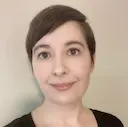
Che Williams
LPC
Hey, I’m Ché. I’m a therapist at Trend Mental Health. I recently moved from Florida to Colorado and am fully licensed in both states. My goal is to h ...
Not bookable online — contact us to schedule

Narlin Smith
MSN, FNP-C, PMHNP-BC
Narlin (pronounced Narleen) is a dual licensed, board certified FNP and PMHNP. She graduated from South University as a Family Nurse Practitioner and ...
Not bookable online — contact us to schedule

Valerie Judd
LPC
A warm hello! I'm Val, a therapist at Trend Mental Health & Wellness. I graduated with a BA in Psychology from the University of Colorado Denver and ...
Not bookable online — contact us to schedule